
Growth is slowing decisions.
Is the problem really capacity?
Most organizational problems
don't begin where they
first become visible.
Is the problem really capacity?
Why is there still no alignment?
Why does the organization hesitate?
Why do people follow someone else?
I kept encountering questions like these.
Organizations grow. Humans scale
Until it becomes a dependency.
People can know the same facts and still act in different directions.
Organizations often know who their leaders are before HR does.
The future has not yet survived reality.
The contexts were different.
Engineering + Alignment
Leadership + Decision Making
Trust + Transformation
Accountability + Execution
Global Delivery + Governance
Eventually, I realized they were not separate questions after all.
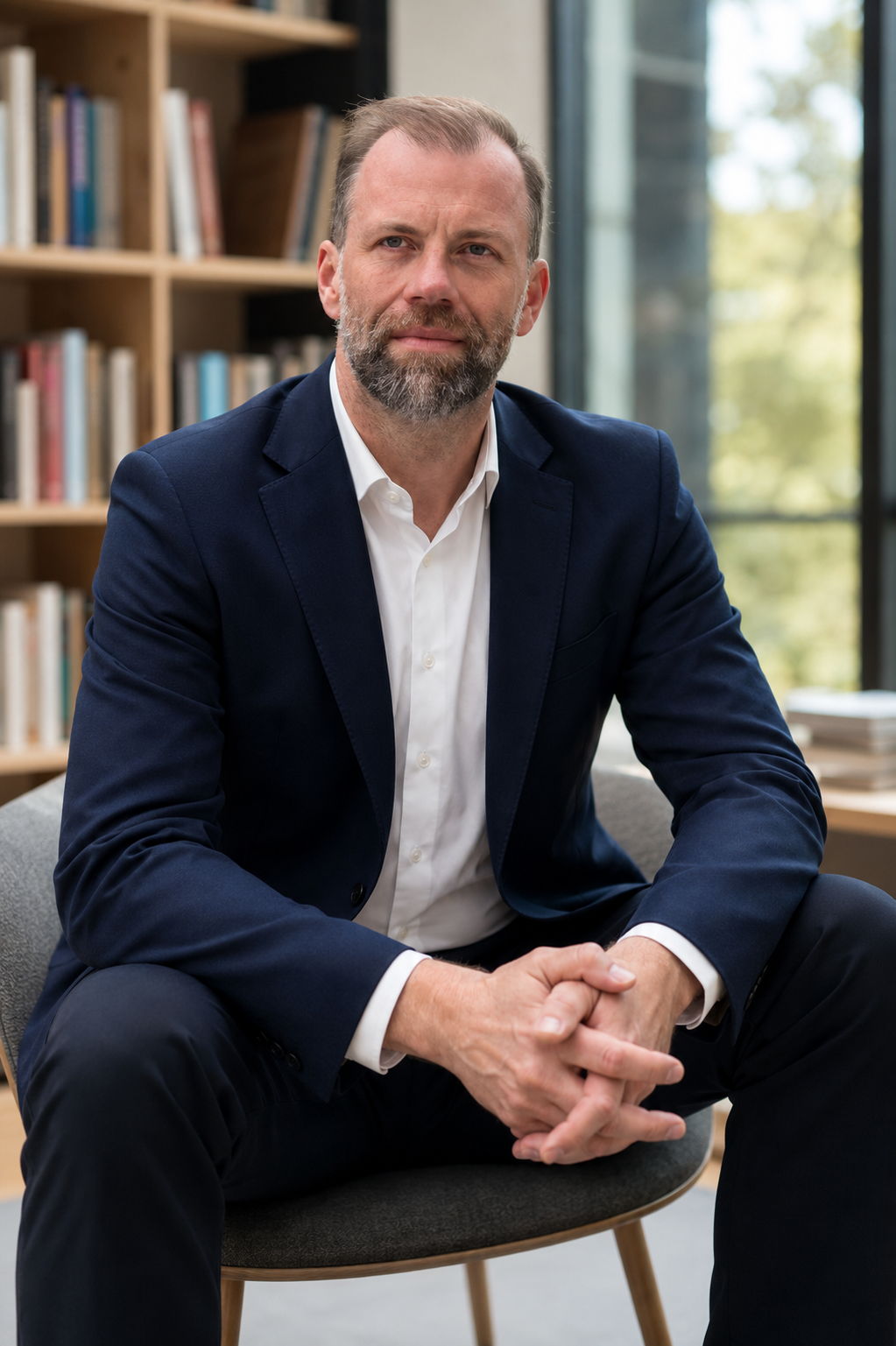
For almost fifteen years, I have worked with organizations that were growing, changing and learning to operate across countries, cultures and disciplines.
Most of the time, my work was not to build theories.
It was to help teams deliver, help leaders make difficult decisions and help organizations keep moving while they were still changing themselves.
Across different environments, I kept noticing situations that felt strangely familiar. Different companies. Different technologies. Different countries. Yet many of the underlying questions remained remarkably similar.
I did not set out to develop a framework.
I simply kept trying to understand why the same patterns appeared in so many different places.
Only much later did that way of seeing acquire a name.
The Human Layer of Scale is an ongoing collection of essays exploring the recurring organizational patterns that emerge as organizations grow, coordinate and adapt.
Growth creates coordination problems long before organizations recognize them.
Why trust, alignment and governance become mechanisms of scale.
Why organizations systematically notice some work while overlooking other work.
How organizations quietly reshape themselves through everyday decisions.
—
If that resonates with you,
I'd be glad to continue the conversation.
Mario Bettenbühl
Building organizations that scale